

“We are being a body rather than having a body.”
These are the keen words of Somatic Internal Family Systems (IFS) practitioner and bodyworker Susan McConnell to illustrate how we aren’t just inhabitants in a machine nor are we the gross reduction of our parts. Even if we have an exquisite array of parts, and especially while we can get stuck within various parts of ourselves—whether physical or psycho-spiritual—resulting from trauma and leading to an overall lack of sensation or reduced somatic embodiment.
Somatic refers to our subjective experience within and of our body.
Embodiment is most simply “living life informed through the sense experience of the body,” as articulated by Ann Saffi Biasetti.
Embodiment is an exploration relating our energy and physical being. It involves a perpetual expansion of awareness and incorporation of that information that, as Karden Rabin states, relates to our “overall conception and conduct of [ourselves, our] identity, beliefs, behaviors, and ways of being.”
When fully embodied, our body hums with awareness.
Somatic embodiment has to do with the connection between our body and our ‘self.’
It is quite a task to cultivate the capacity for awareness of our own body, and it is worth every effort.
Awareness itself is transformative and can bring profound and lasting healing. As Susan McConnell says, awareness “within…sensation reveals the intrinsic awareness in every cell and system of our body. It helps us fully inhabit our body, to be in our body, to be our body.”
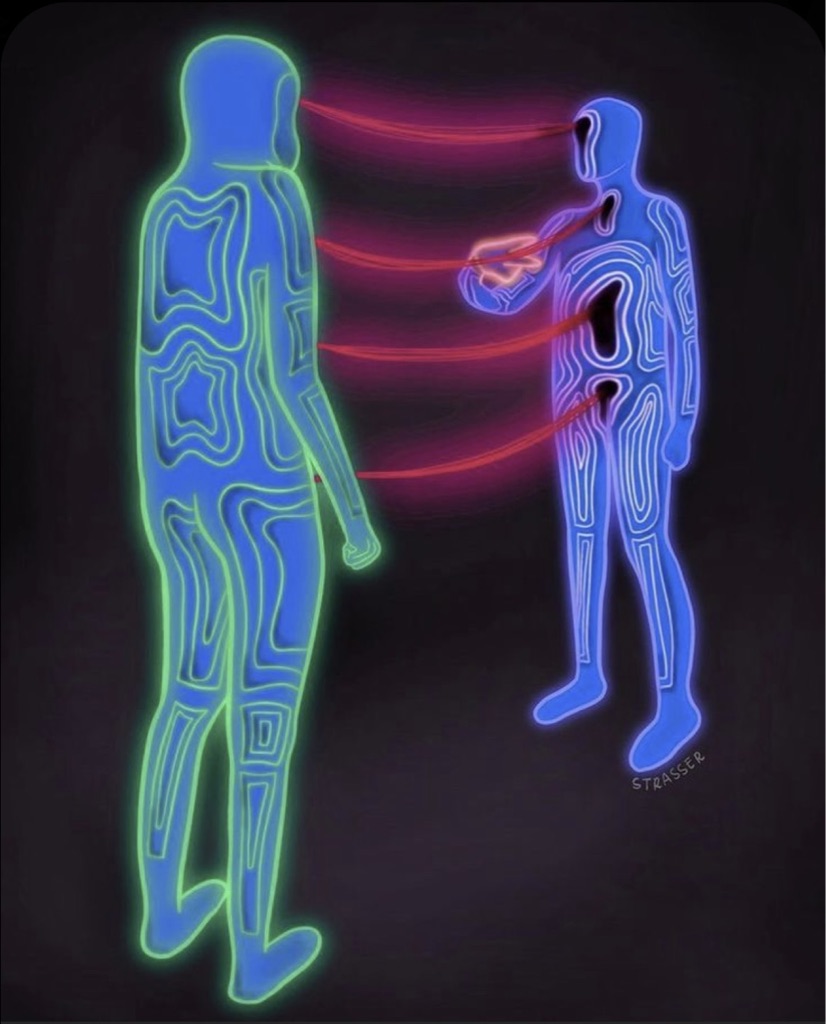
Bodywork, through compassionate presence and skilled touch, can bring sensation, awareness and profound transformation that can shift any body and improve anybody’s quality of life.
Dan Siegel writes in his book Aware that “strengthening our capacity for awareness improves the health of our mind, body and relationships. Including improving immunity, cardiovascular function and enhancing epigenetic regulation of genes.”

Awareness is the prerequisite and prognosticator for transformation towards lasting positive changes. All bodywork has the potential to facilitate increased awareness for both practitioner and patient, and in my experience Craniosacral therapy (CST) is the most profound method for doing so. Simply the skilled and attentive listening that is intrinsic to CST leads to significant changes within a person’s physiology, psychology and spirit.
The gentle and highly technical touch involved in CST can help regulate the nervous system and reorient imbalances towards lasting comfort even among complex circumstances.
As our bodies seek to orient our resources toward optimal health in every moment, being interrupted is commonplace—especially in our busy, dis-embodied world. Sometimes all it takes is a gentle reminder, a compassionate listener providing embodied touch to return us to the health that is always present within yet sometimes dormant.
 integral somatics